The Arthouse Wanderer
DreamyYou like getting lost in strange, hypnotic films, and the more unfamiliar the world, the better.
- Styledrawn to how it's made
- Nichegoes off the map
Introduction
Arthouse Wanderers tend to watch the way some people travel: without a map, hoping to end up somewhere they could never have planned. When a film drops them into a world with its own rules, its own silences and its own strange weather, they settle in instead of reaching for an exit.
They are drawn to how a film is built as much as to what happens in it. A shot that holds longer than expected, a frame that refuses to move, a room that slowly starts to feel wrong: these are the moments they lean toward. They feel the patience of a long take working on them like a slow tide.
For Arthouse Wanderers, the best films are not stories they watched but places they visited.
They do not need a film to explain itself. Stalker can drift through damp grass and humming silence for ages, and they are completely there, half in a trance, letting the mood do the talking. A film that leaves its questions open feels generous to them, not unfinished.
Their taste roams widely. They might go from the sun-bleached drift of The Passenger to the foggy unreality of Vampyr to something nobody they know has heard of. The thread connecting it all is a feeling: being pleasantly, deliberately lost.
Ask them what a film was about and they may pause. Ask them how it felt and they light up. For Arthouse Wanderers, the best films are not stories they watched but places they visited.
How They Watch
- They go quiet and still when a scene stretches out, and that is when they are most engaged.
- They notice where the camera sits and how long it stays there.
- They would rather sit with confusion than have it cleared up too quickly.
- They often keep thinking about a film's atmosphere long after the plot has faded.
What Wins Them Over / What Loses Them
Wins them over
- A world that feels genuinely unfamiliar, with its own logic and rhythm
- Long, unhurried shots that pull them into a trance
- Dreamlike moments that are never fully explained
Loses them
- Music that tells them exactly what to feel
- Endings that tie every thread into a neat bow
- Relentless pacing that never lets a scene breathe
Blind Spots
 Singin' in the Rain (1952)
Pure, unguarded joy is the feeling Arthouse Wanderers visit least, and Singin' in the Rain is wall to wall with it. Its craft is dazzling enough to win over their eye, and it might remind them that being swept up can be its own kind of trance.
Movie Night With Friends
Arthouse Wanderers are the friend who brings the film nobody has heard of and promises it is worth it. They are happy to sit through a group pick, but they will be the one quietly watching the background of the frame. Afterward they are less interested in whether everyone liked it than in what it felt like. They have a gift for turning a puzzled silence into a great conversation.
Their Opposite
The Ugly Crier
Story · Mainstream
Ugly Criers want to be moved openly, and they trust the beloved tearjerkers to get them there every time. Over the same film, the Wanderer praises the restraint while the Crier wishes it had let itself feel more. Wanderers could learn that a big, honest emotion is its own kind of craft, and Criers could learn how much feeling can hide inside a long, quiet shot.
The Defining Films
 The Passenger1975sun-bleached · solitude and drift · long-take immersion
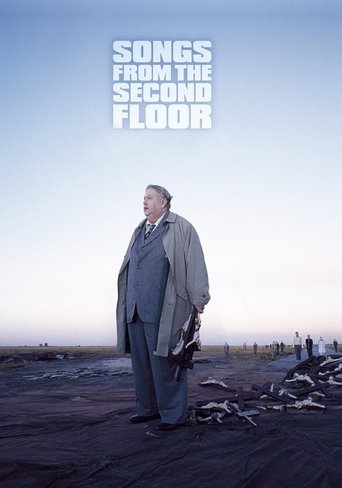 Songs from the Second Floor2000static framing · fever dream · deadpan absurdity
 Ghost in the Shell 2.02008intellectual puzzle · hyper edited · fever dream
 Angel's Egg1985fever dream · melancholy beauty · hypnotic immersion
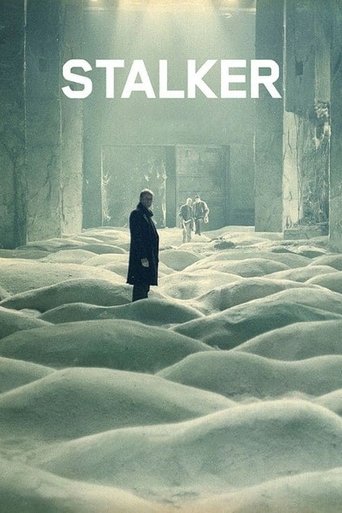 Stalker1979meditative calm · hypnotic immersion · long-take immersion
 Vampyr1932fever dream · stripped down · long-take immersion
 Ghost Dog: The Way of the Samurai1999nightlife underworld · deadpan absurdity · architectural framing
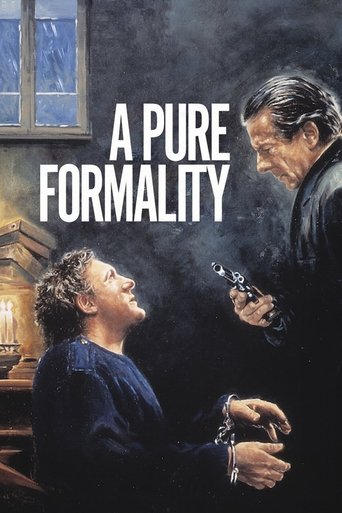 A Pure Formality1994investigation spiral · claustrophobic tension · emotionally restrained
Perfery reads your film history and places you among the editions.