The Emotional Masochist
NoirYou seek out films that hurt, and you'll go off the beaten path to find new ways to be wrecked.
- Storydrawn to the story and how it makes you feel
- Nichegoes off the map
Introduction
Emotional Masochists go to the movies to feel something, and they would rather feel too much than not enough. They seek out stories that ache: families that cannot say what they mean, childhoods cut short, grief that lingers in the furniture.
Their tastes wander everywhere, but they keep returning to that heavy, devastating feeling, and they love finding it in films most people have never heard of. It might be a small film from far away, an overlooked drama, or a story passed hand to hand among people who cried at it. The less famous the source, the more personal the heartbreak feels.
A good cry leaves them lighter, and a film that hurts honestly feels like a kind of company.
They are not reading the frame or admiring the editing so much as living inside the characters. Emotional Masochists notice the look a mother gives her son across a dinner table, the silence after an argument, the moment a child realizes the world is not safe. They feel it in their chest before they can name it.
People sometimes ask why they would choose to be wrecked. They have a simple answer. A good cry leaves them lighter, and a film that hurts honestly feels like a kind of company.
How They Watch
- They keep tissues within reach and refuse to feel embarrassed about it.
- They lean in during family arguments, recognizing every unspoken thing.
- They let the ending sit in silence before anyone is allowed to talk.
- They hunt for overlooked films the way some people hunt for rare records.
What Wins Them Over / What Loses Them
Wins them over
- A family that loves each other badly
- Grief shown honestly, without a neat lesson attached
- A hidden film someone recommends with the words "it destroyed me"
Loses them
- Sadness played for manipulation instead of truth
- A forced happy ending that undoes the ache
- Characters kept at arm's length by a cold, distant camera
Blind Spots
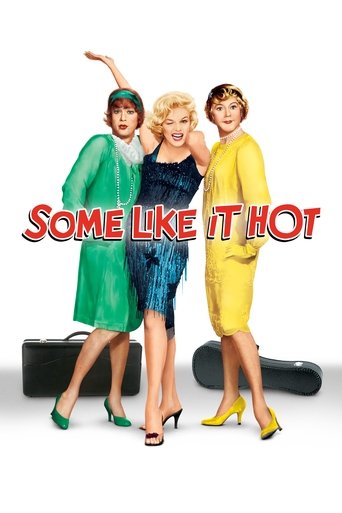 Some Like It Hot (1959)
Some Like It Hot is a giddy, fast-talking farce built entirely around laughter, disguises and joyful chaos. Emotional Masochists might be surprised how much heart hides under its jokes, and how good it feels to let a film simply lift them up.
Movie Night With Friends
Emotional Masochists are the friend who brings a film nobody knows and a box of tissues, just in case. They will warn you it is a lot, and they mean it as a recommendation. During the hard scenes they watch the room gently, ready to pass the tissues along. Afterward they want to talk about the people on screen as if they were old friends.
Their Opposite
The Puzzle Solver
Style · Mainstream
Their opposite is the Puzzle Solvers, who love clever films full of twists and dialogue that rewards a rewatch. On the same film, the Masochist is quietly undone by a mother's final scene while the Solver is busy piecing together the timeline. The Masochist could learn the joy of decoding a story, and the Solver could learn to stop thinking for a moment and simply let it hurt.
The Defining Films
 I Killed My Mother2009family dynamics · coming of age · heavy emotional
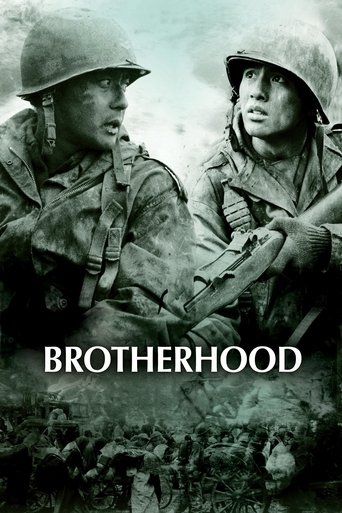 Tae Guk Gi: The Brotherhood of War2004family dynamics · heavy emotional · rise-and-fall tragedy
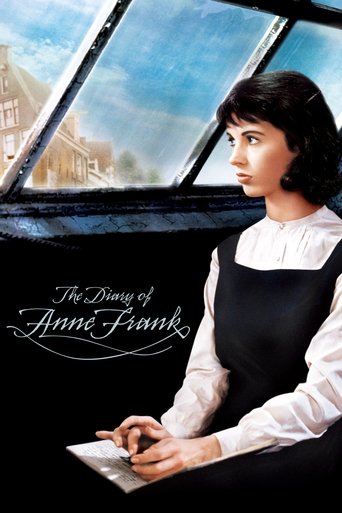 The Diary of Anne Frank1959claustrophobic tension · heavy emotional · family dynamics
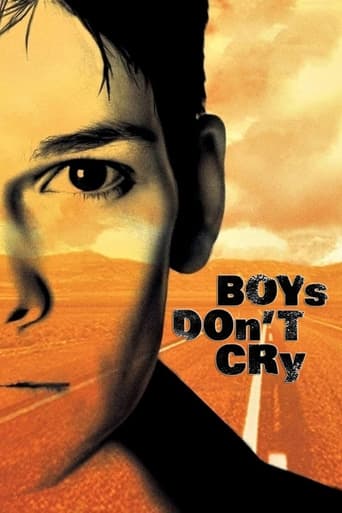 Boys Don't Cry1999coming of age · emotionally devastating · naturalistic performance
 The Animal Kingdom2023investigation spiral · anxious dread · family dynamics
 The Breadwinner2017coming of age · family dynamics · working-class realism
 Dolores Claiborne1995memory and grief · family dynamics · heavy emotional
 Waves2019family dynamics · emotionally devastating · memory and grief
Perfery reads your film history and places you among the editions.